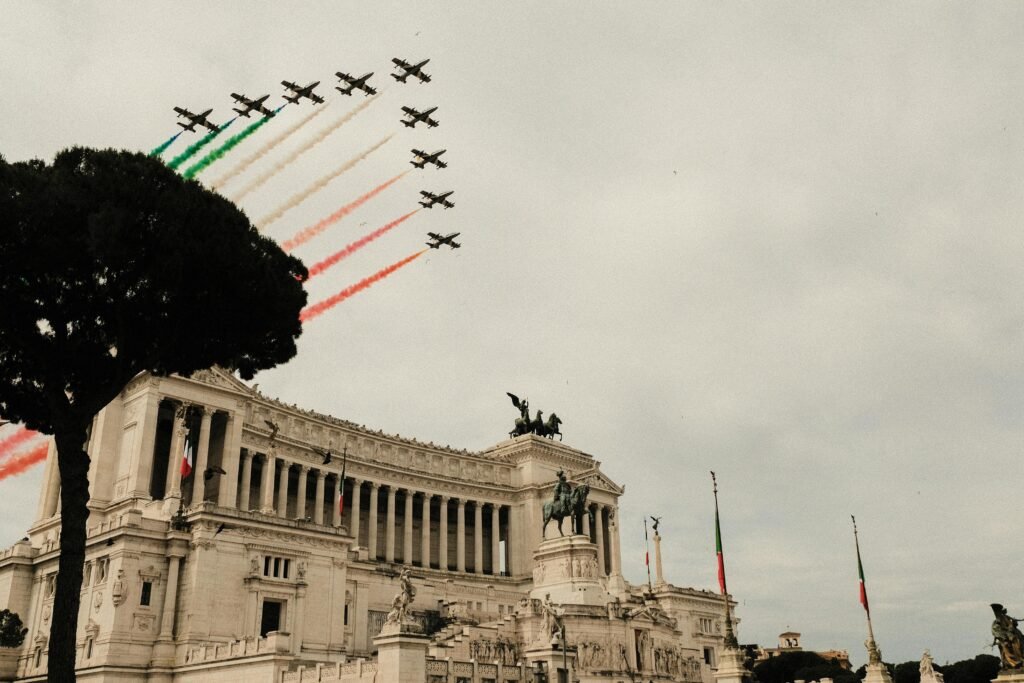
The Future of Experiential Incentives: Why Rome is the Hub for ‘Slow MICE’ in 2026
For decades, corporate travel in Rome was a predictable cycle. Executives flew into Fiumicino for 48 hours, spent 40 of them in dated hotel boardrooms or fighting the “tourist rush” at the Colosseum, and flew out with nothing more than a generic box of pasta from a terminal kiosk.
As we move through 2026, that transactional model has collapsed.
The rise of “Slow MICE”—a movement prioritizing radical authenticity, mental well-being, and regenerative culture—has transformed Rome from a crowded historical site into a sanctuary for high-impact strategic growth. Today’s corporate clients are no longer asking for “the biggest ballroom”; they are asking for “the most meaningful connection to the Eternal City.”
In this guide, we explore why Rome has become the global capital for experiential incentives and how your company can leverage the “Roman Renaissance” to drive measurable business growth in 2026.
Why Rome Dominates the ‘Slow MICE’ Era:
- The “Palazzo Reset” Shift: We are moving programs away from generic convention centers and into repurposed historical icons. In 2026, “Slow MICE” means hosting strategy sessions in a 16th-century Palazzo or the newly opened Orient Express La Minerva, where the architecture itself inspires legacy thinking.
- Radical Authenticity: Instead of generic gala dinners, 2026 planners are choosing “Hidden Rome” experiences—private chef-led “Forage and Feast” sessions in the Roman countryside or exclusive artisan workshops in the San Lorenzo bohemian district.
- Wellness as a Performance Metric: Rome’s “Slow MICE” model replaces back-to-back PowerPoints with “Active Recovery.” Think sunrise mindfulness on the Aventine Hill or sound-bath rituals at the Roman ruins-adjacent Six Senses Spa, ensuring teams return home focused and aligned.
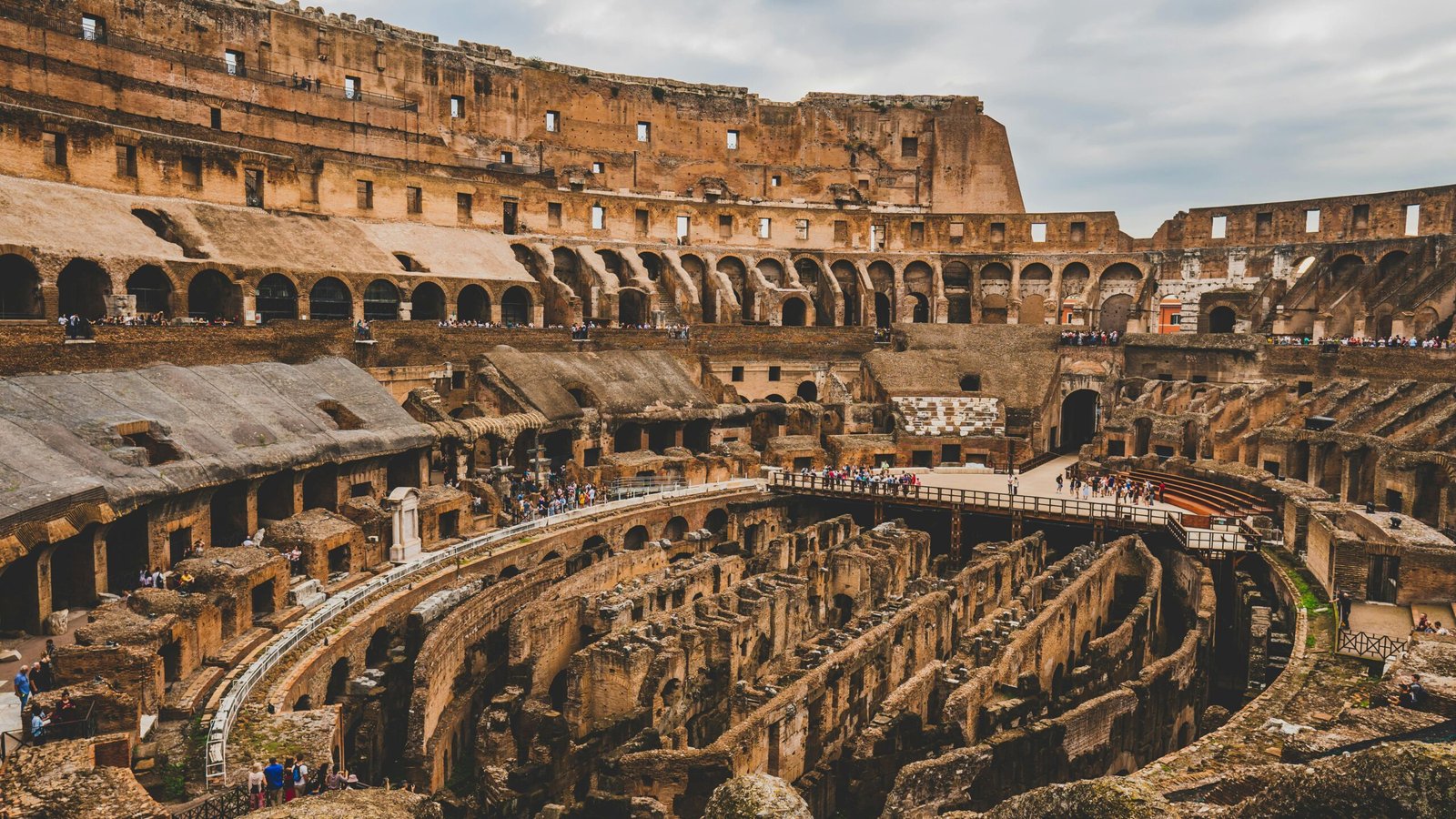
What is “Slow MICE” and Why Does it Matter for Rome in 2026?
“Slow MICE” in Rome is the antidote to the “hit-and-run” tourism of the past. In 2026, it is defined by three pillars localized for the Italian market:
A. Radical Authenticity: The “Palazzo” Perspective
Rome delegates in 2026 reject the generic hotel ballroom. They want the “Secret Rome” access. This means moving strategy sessions away from convention centers and into private 16th-century libraries or hosting “Meet-the-Chef” workshops in the vibrant Testaccio market. It’s about unfiltered access to the layers of Rome’s history—from the Underground (Sotterranei) to the Rooftop.
B. Wellness as a Performance Strategy: “Aqua et Anima”
With productivity metrics directly tied to mental health in 2026, Rome’s “Slow MICE” programs leverage the city’s ancient bathing traditions. We integrate bio-hacking rituals at the Six Senses Roman Baths and mindfulness sessions in the Borghese Gardens. We prioritize venues with LEED or Green Key certification, ensuring air quality and biophilic design are at the core of your executive retreat.
C. The “Bleisure” Integration: The Mediterranean Hub
By 2026, Rome is the gateway to the “Extended Incentive.” Over 70% of Rome MICE travelers now add two days to explore the Amalfi Coast or the vineyards of Tuscany via high-speed rail. Rome is the #1 destination for “Blended Travel,” offering a seamless transition from a high-stakes board meeting to a restorative weekend.
The Rome “Renaissance”: 2026’s New Hotspots
Rome’s 2026 landscape features venues that have successfully blended “Ancient Soul” with “Future Tech.”
Six Senses Rome (San Marcello al Corso)
A masterclass in 2026 “Slow MICE.” With its NOTOS Rooftop offering 360-degree views and an “Earth Lab” dedicated to sustainability workshops, it is the premier choice for firms that prioritize ESG. It is a venue designed to force delegates to slow down, breathe, and innovate.
Orient Express La Minerva (Pantheon)
Opening in the wake of the Jubilee, this is Rome’s most anticipated 2026 debut. It offers a “Sense of Place” that is unmatched, allowing delegates to dine in the shadow of the Pantheon. It is the top recommendation for executive retreats where guests need a “home-away-from-home” feel within a historic icon.
The Cardo Roma (EUR District)
For larger conventions, the Cardo Roma (Autograph Collection) in the EUR business district has been reborn. It provides a “Resort in the City” atmosphere, with 324 rooms and expansive gardens. It’s the perfect 2026 venue to avoid the city-center congestion while still providing a high-luxury, tech-forward experience.
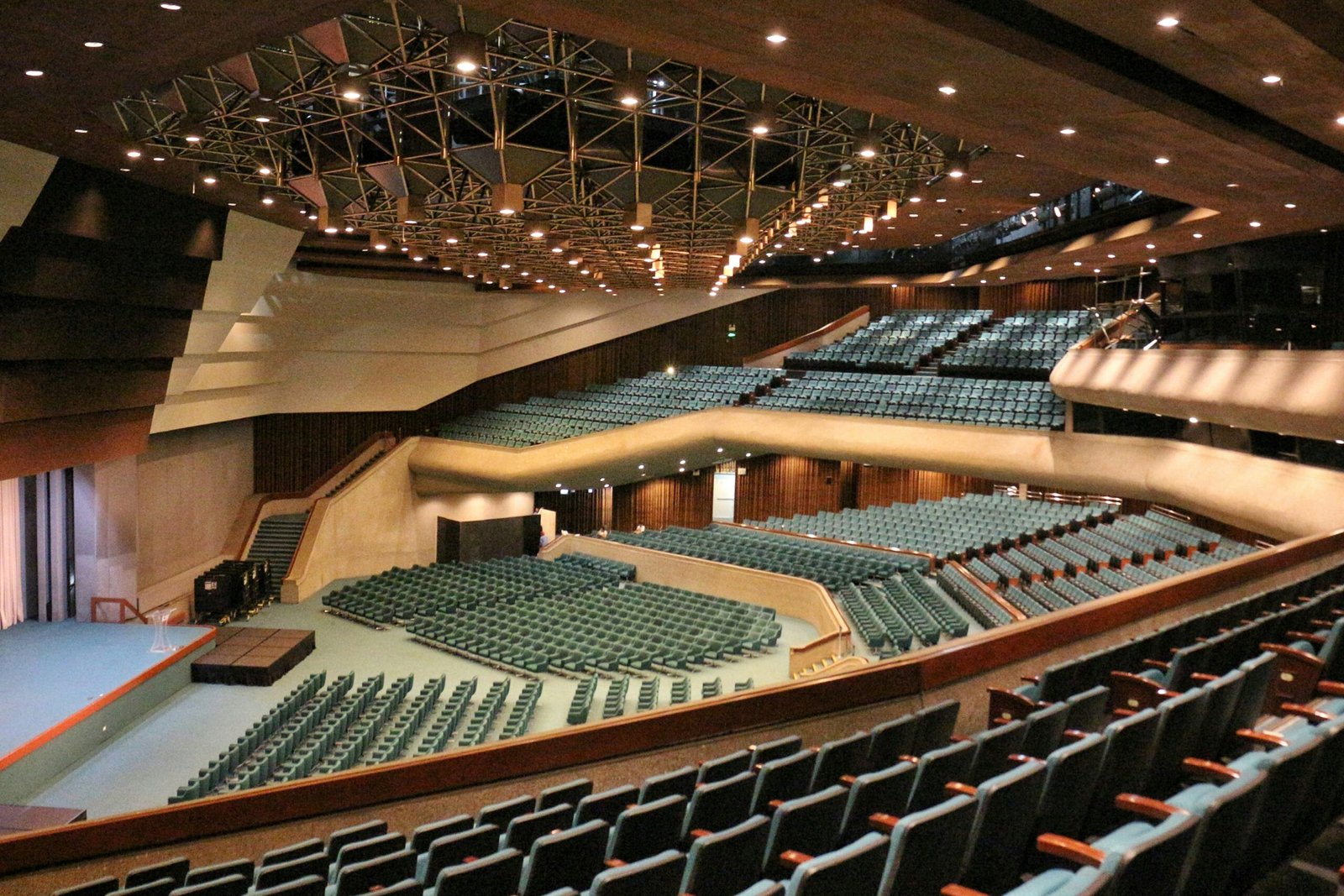
The 2026 Rome “New Era” Venues: Where to Book Now
In 2026, the demand for “Palazzo-meets-Performance” has never been higher. To keep your event ahead of the curve, we are prioritizing these recently opened or newly transformed icons:
- Corinthia Rome (Piazza del Parlamento): Opening in February 2026 in the former Bank of Italy, this is Rome’s new “human-centric” luxury hub. With a spa located in the historic bank vault and culinary programs by Carlo Cracco, it’s the premier choice for executive retreats that require historical gravitas and modern wellness.
- Six Senses Rome (Via del Corso): The gold standard for “Slow MICE.” Featuring a 1-acre rooftop terrace and Roman Baths reimagined with bio-hacking technology, it is designed to combat “conference fatigue” through sensory immersion.
- Hyatt Regency Rome Central: Scheduled for a March 2026 full-scale debut, this venue offers the largest integrated high-tech meeting facilities in the city center (over 20,000 sq. ft.), making it the new “place to be” for sustainable, large-scale exhibitions.
- Orient Express La Minerva: For ultra-exclusive incentives, this 2026 icon offers a “home-away-from-home” feel with peerless views of the Pantheon, perfect for high-level strategic alignment sessions.
Measuring the ROI of a Rome DMC
In 2026, Italian corporate law and global CFO standards require more than just a “successful trip.” We focus on four key ROI metrics tailored for the Roman market:
| Metric | How We Measure It in 2026 |
| Knowledge Retention | Using AI-driven event-app heatmaps to identify which “Palazzo Sessions” drove the most engagement. |
| Employee Advocacy | Tracking the “Cultural Social Reach” of your event via attendee-generated content from exclusive sites. |
| Sustainability Index | Providing a full carbon-footprint report (Electric Shuttles + Zero-Waste Italian Gastronomy). |
| Cultural ROI | Post-event surveys measuring the shift in “Team Trust” using the Roman Genius Loci as a baseline. |
The 2026 Logistics: Technology without the Friction
Planning in Rome is notoriously complex due to traffic and heritage restrictions. Our 2026 operations utilize “Invisible Logistics”:
- Leonardo Express Efficiency: We prioritize the 32-minute high-speed link from Fiumicino (FCO) to Termini, integrated with electric last-mile shuttles to your venue for zero-stress arrivals.
- Green ZTL Mastery: Our fleet is 100% electric, allowing us exclusive 24/7 access to Rome’s restricted “Green Zones” (ZTL), ensuring your team moves through the historic center while others are stuck in traffic.
- AI-Driven Personalization: Attendees receive a digital “Roman Concierge” that adjusts itineraries in real-time based on local weather, energy levels, and “Slow Food” dietary preferences.
ESG and the “Green Thread” of Roman Events
By 2026, ESG reporting is a legal mandate under CSRD. Rome has positioned itself as the capital of “Accountable Heritage.” We pull on the “Green Thread”:
- The Social Handprint: We partner with local Roman community groups (such as Retake Roma) to ensure your event supports urban restoration and social inclusion.
- Circular Gastronomy: We work with “Farm-to-Table” caterers who specialize in zero-waste, “root-to-stem” Italian cooking, ensuring a luxury menu is defined by its ethical sourcing from the Lazio region.
- The Modal Shift: In 2026, the most prestigious way to arrive is via a zero-emission electric golf cart through the Villa Borghese or a high-speed rail connection for “Bleisure” extensions.
Sample “Slow MICE” Itinerary: The Roman Renaissance
Here is a 3-day sample itinerary we are currently booking for late 2026:
Day 1: Arrival & Grounding
- Morning: Seamless airport pick-up via electric executive shuttles (30 mins from FCO).
- Afternoon: “Urban Forest Bathing” session in the Villa Borghese Gardens, followed by a brain-fuel lunch overlooking the Pincio.
- Evening: Welcome reception at the Six Senses NOTOS Rooftop with farm-to-table Roman tapas.
Day 2: Deep Work & Strategy
- Morning: Strategy session at a “Hidden Gem” venue like a private library in Palazzo Taverna.
- Afternoon: “Renaissance Scavenger Hunt”—a team-building race through Trastevere’s alleys using iPad-based AR (Augmented Reality).
- Evening: Private “Chef’s Table” dinner in a restored Testaccio industrial loft to break down hierarchical barriers.
Day 3: Impact & Legacy
- Morning: CSR Activity: Restoring an ancient Roman mosaic or a Charity Cooking Challenge for local food banks in San Lorenzo.
- Afternoon: Closing keynote at the Hyatt Regency Rome Central.
- Evening: Departure or “Bleisure” extension to the Amalfi Coast via Frecciarossa.
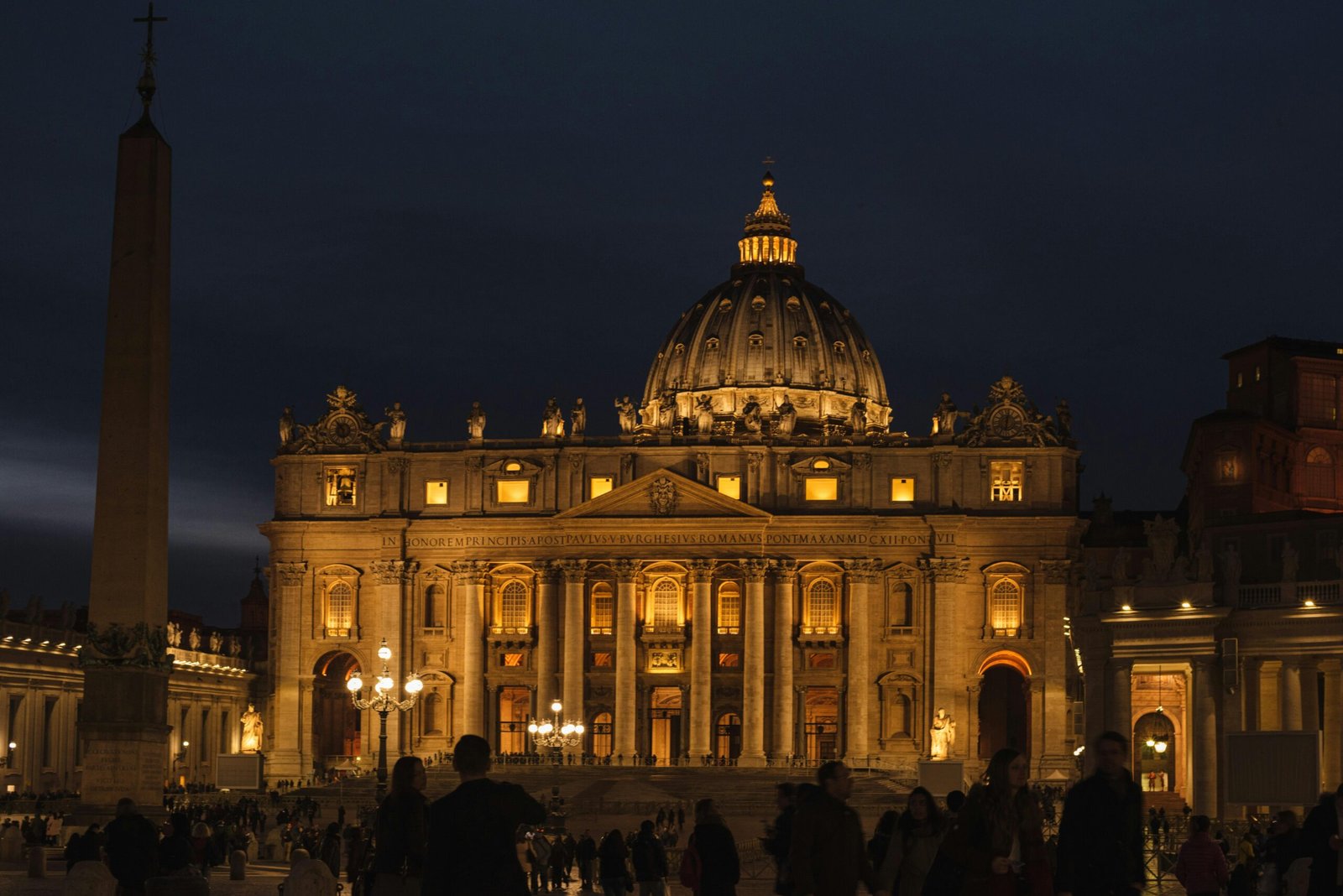
Why You Need a DMC for Rome in 2026
You might think, “I can just book a hotel on a global site.” In 2026, that is a recipe for operational gridlock. Rome’s post-Jubilee landscape is defined by the “Fascia Verde” (Green Belt) restrictions and a surge in ultra-luxury hotel openings that have created immense “New-Opening” volatility.
As your Full-Service Destination Management Company, we provide:
- Negotiation Power: We hold pre-negotiated “Agency-First” rates with Rome’s “Grand Dame” hotels and the new 2026 luxury wave (including Corinthia and Orient Express) that are shielded from public peak-pricing.
- Risk Management: We handle the “What Ifs.” What if the ATAC transport network has a strike? What if a historic venue has a sudden restoration permit change? We maintain a live-updated “Plan B” inventory of private villas and tech-ready palazzos.
- Local Access: We unlock “Off-Market” Rome—private rooftops overlooking the Pantheon, Vatican-adjacent galleries, and underground archaeological vaults—that only a locally connected Romano can access.
Inclusivity & Neurodiversity: The Rome 2026 Gold Standard
A major shift in 2026 MICE planning is the focus on Neuro-inclusive design. We recognize that a significant portion of your workforce may be neurodivergent, and a successful event must cater to all brain types to ensure maximum ROI.
How we implement this in Rome:
- Quiet Zones & “Ancient Silence”: We select venues like the Six Senses Rome or the Chiostro del Bramantethat offer dedicated “low-stimulation” spaces and monastic-inspired quiet zones for delegates to recharge.
- Spatial Audio & Acoustic Dampening: Utilizing 360-degree beam-forming audio setups in high-ceilinged Roman halls to reduce cognitive load, helping participants focus on the speaker without the traditional “echo-chamber” fatigue of historic stone buildings.
- Non-Linear “Italian Style” Agendas: We move away from the “8-to-6” marathon. Our 2026 Rome schedules include “Siesta Focus Blocks” and optional “Social Choice” periods, allowing introverts and extroverts to engage with the city on their own terms.
Conclusion: Designing Your 2026 Roman Legacy
Rome remains the most powerful stage in the world for prestige and business. But in 2026, the stage must be sustainable, meaningful, and “Slow.” By moving away from the “rushed” itineraries of the past and embracing the Experiential Incentive model, your company won’t just host an event; it will spark an evolution.
As your partner in Rome, we are ready to help you navigate the complexities of 2026—from Green ZTL logistics to Neuro-inclusive spatial design—to deliver an event that resonates long after the flight home.