Rome: A Journey Through the Heart of the Italy
A global capital of culture, history, innovation, and international influence
About Rome
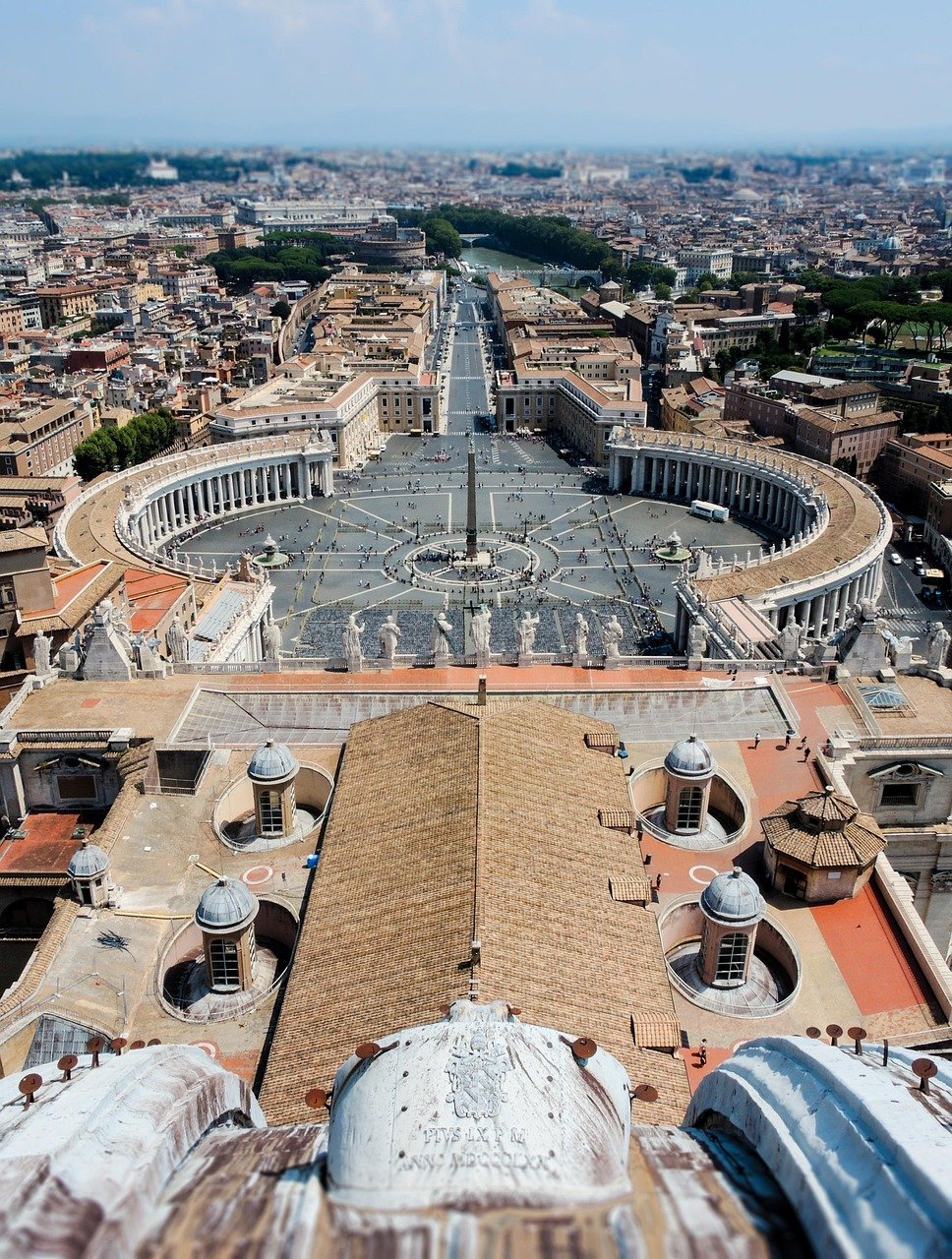
Rome is not just a city; it is a living, breathing museum where nearly three millennia of history stand shoulder-to-shoulder with cutting-edge innovation. From the ancient foundations of the Roman Empire to the sleek, modern architecture of the EUR district, Rome has endured as the “Eternal City”—a global beacon of culture, art, and institutional power.
Whether you are wandering the cobbled vicoli of Trastevere or witnessing the grandeur of a sunset over the Imperial Forums, Rome offers an experience that is both quintessentially Italian and unapologetically international. The city’s atmosphere is a unique blend of ancient tradition and contemporary Mediterranean creativity, making it a destination that reveals new layers of depth and inspiration with every visit.
Unlocking the Eternal City:
Global Influence: As the cradle of Western civilization, Rome provides a sense of “historical gravity” that adds significant value to global summits and high-level corporate gatherings.
The Layered Timeline: We specialize in utilizing venues that span the ages—from repurposed Roman vaults to 21st-century glass-and-steel conference halls—creating a narrative of longevity and progress for your brand.
A Cultural Synergy: Rome effortlessly balances the formality of its religious and political status with a vibrant, modern lifestyle, offering a backdrop that is as prestigious as it is welcoming.
A Brief History: From the Palatine Hill to the Modern Metropolis
Rome’s story is a 2,800-year epic of reinvention. For the modern event planner, this history isn’t just a backdrop; it is a narrative tool that adds weight and prestige to any gathering.
The Foundations of Empire (753 BC – 476 AD)
Rome began as a small iron-age settlement on the Palatine Hill and evolved into the Caput Mundi—the capital of the world. This era bequeathed the city its most iconic infrastructure, from the Colosseum to the Roman Forum. For corporate groups, this period represents the pinnacle of logistical engineering and institutional power, providing venues that have hosted “assemblies” for over two millennia.
The Renaissance & The Baroque (14th – 17th Century)
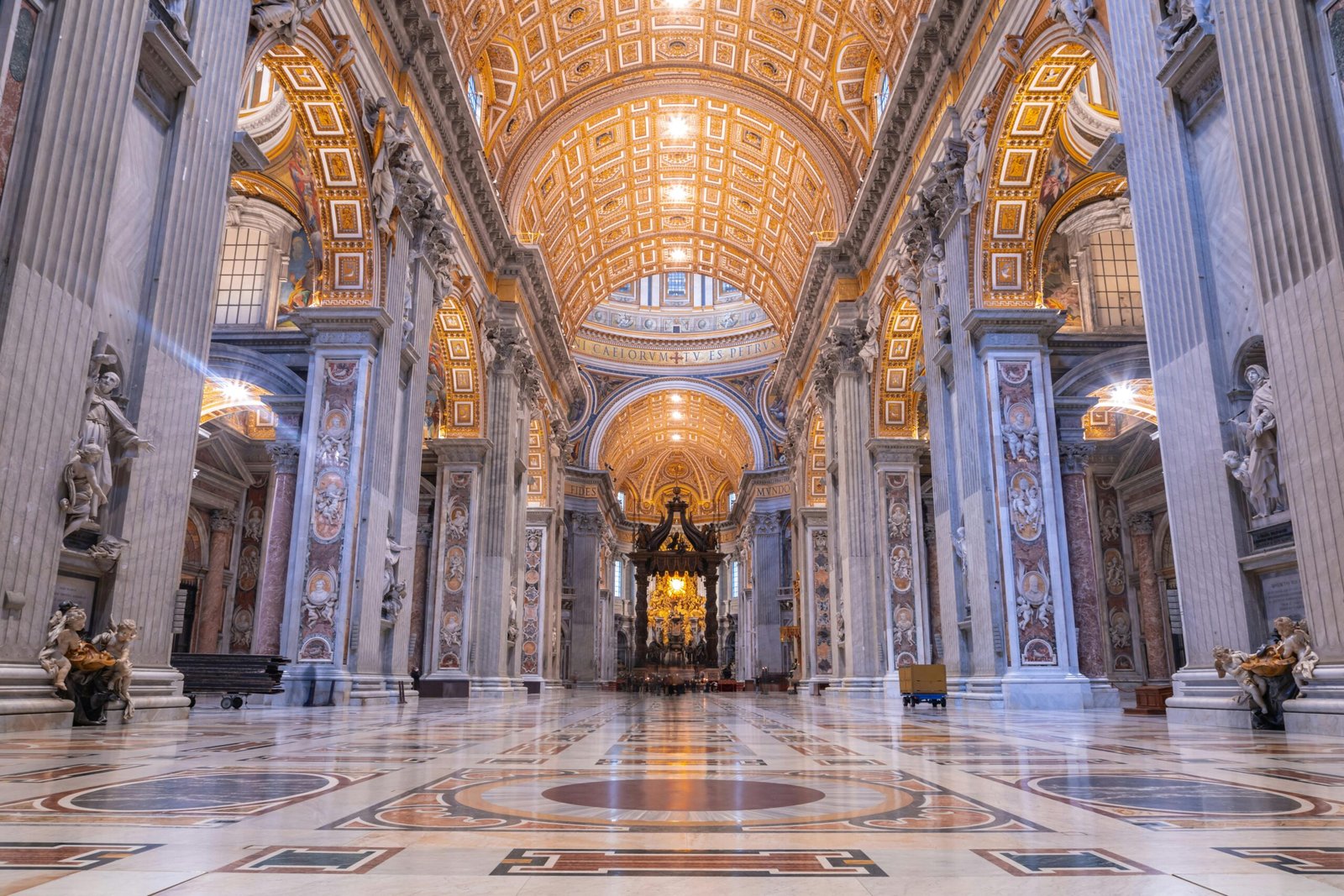
After the Middle Ages, Rome underwent a magnificent rebirth. Under the patronage of the Popes and noble families like the Borghese and Medici, the city was transformed into a masterpiece of art and architecture. The construction of St. Peter’s Basilica and the countless private palazzos created a new standard for luxury and hospitality—one that we still utilize today for exclusive gala dinners and high-level summits.
The Rise of the Italian Capital (1871 – 1945)
In 1871, Rome was officially declared the capital of a unified Italy. This era brought wide boulevards, the grand “Vittoriano” monument, and the development of the Prati district. The early 20th century saw the birth of the EUR district, an architectural marvel of rationalism originally intended for a World’s Fair, which now serves as the city’s premier modern business and conference hub.
The Eternal City Today: 2026 and Beyond
Today’s Rome is a vibrant European metropolis where digital innovation meets ancient stone. With the recent infrastructure upgrades following the 2025 Jubilee, the city has never been better equipped for international business. It remains a global magnet for the pharmaceutical, aerospace, and technology sectors, offering a seamless blend of “La Dolce Vita” and professional excellence.
Navigating the Neighborhoods: Rome’s Unique Villages
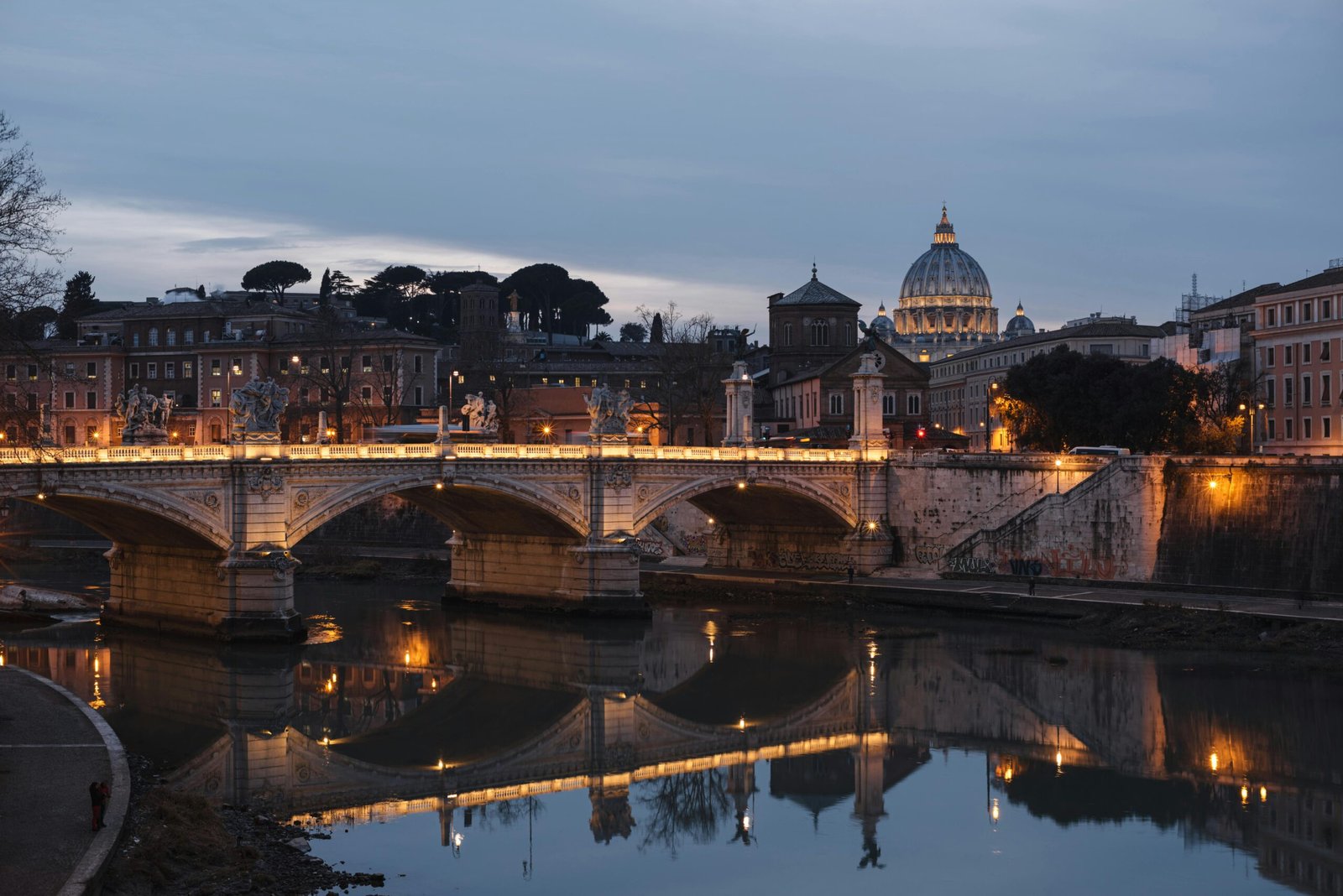
Rome is often described as a “city of layers.” Each neighborhood has a distinct personality, atmosphere, and aesthetic, offering a unique backdrop for corporate programs.
The Centro Storico: The Heart of Heritage
This is the Rome of postcards. It is home to the Pantheon, Piazza Navona, and the Trevi Fountain. Walking through these streets, you feel the weight of nearly three millennia of history. It is the monumental heart of the city and the primary destination for high-impact galas and “once-in-a-lifetime” incentive experiences.
Prati & The Vatican: The Pulse of Professionalism
Located just across the Tiber, Prati is the city’s sophisticated business and institutional hub. Known for its wide, grid-like avenues, high-end shopping on Via Cola di Rienzo, and proximity to the Vatican Museums, it offers a refined, orderly atmosphere. It is the engine of Rome’s legal and administrative sectors, perfect for executive board meetings and diplomatic summits.
Trastevere & Monti: The Edgy Creative Hubs
Once the gritty heart of the working class, these districts are now a canvas for authentic Roman lifestyle. Trastevere, with its vine-covered alleys, is famous for its vibrant nightlife and independent spirit, while Monti—Rome’s oldest rione—is a hub for tech start-ups, boutique designers, and artisanal workshops. These areas provide a creative, “village-style” energy perfect for boutique incentives and modern brand experiences.
Iconic Landmarks You Can not Miss
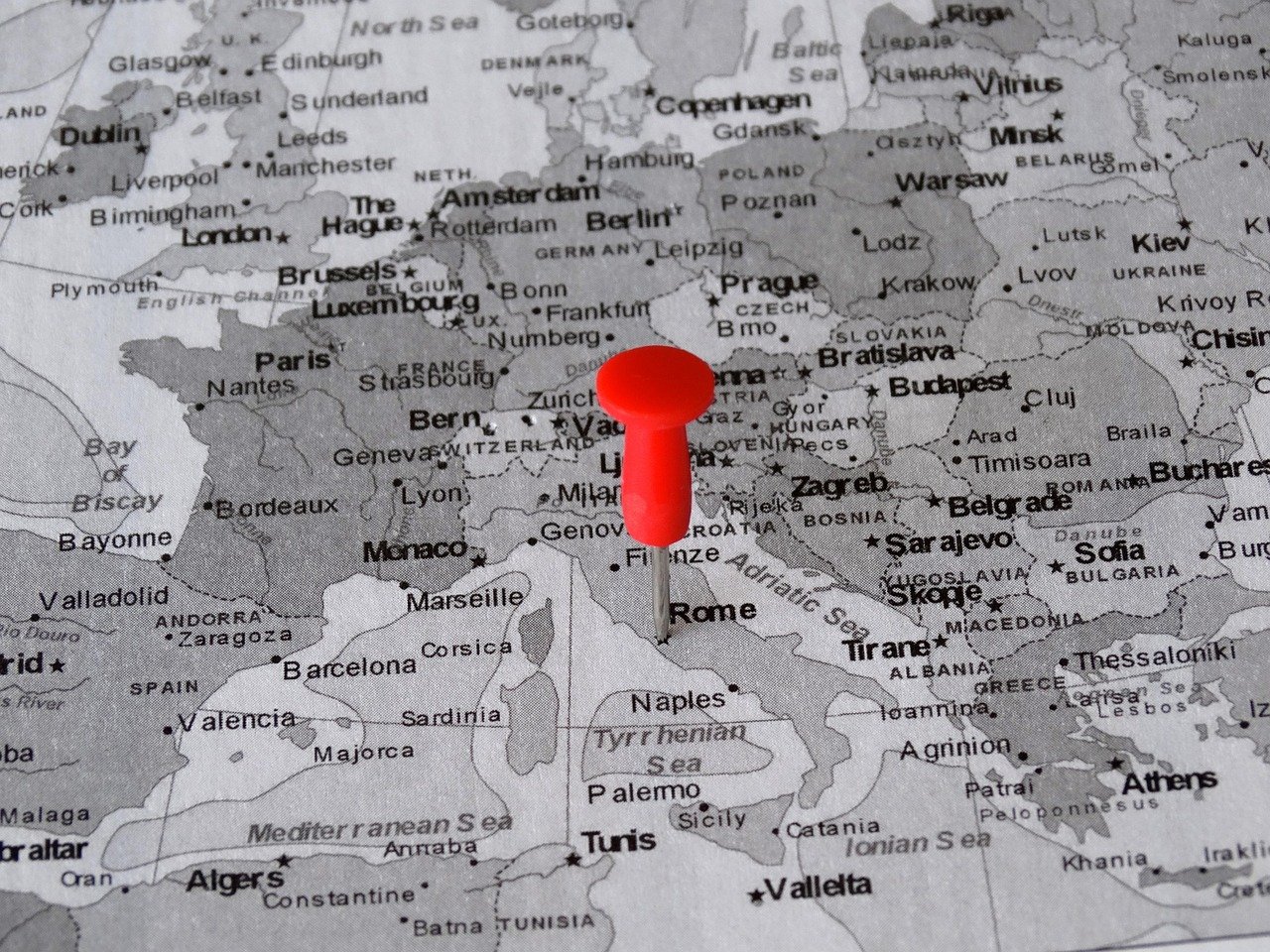
No visit to Rome is complete without witnessing the landmarks that define the Italian capital. As your destination management partner, we provide exclusive access to these iconic sites, turning standard sightseeing into extraordinary corporate experiences.
The Colosseum: An Icon of Power
The ultimate symbol of Rome’s architectural might. Once the stage for gladiatorial contests, it now serves as a profound backdrop for corporate storytelling. We arrange private, after-hours tours of the underground chambers and the arena floor, offering an atmosphere of exclusivity that is impossible during public hours.
The Vatican Museums & Sistine Chapel: Artistic Grandeur
Dedicated to centuries of human history, art, and faith, this complex contains the world’s most significant masterpieces, including Michelangelo’s ceiling. For our clients, we coordinate “Silent Mornings” or private evening openings, allowing your delegates to view the Rosetta Stone of art history without the crowds.
The Pantheon: Ancient Innovation
Standing for nearly 2,000 years, this is the best-preserved monument of Ancient Rome. Its massive unreinforced concrete dome remains a marvel of engineering—a perfect metaphor for modern business sessions focused on sustainability and structural integrity.
The Nuvola (The Cloud): A Modern Vision
As one of Rome’s most striking modern landmarks, this futuristic convention center in the EUR district provides a dramatic contrast to the city’s ancient spires. Designed by Massimiliano Fuksas, its “floating” interior structure offers a view into Rome’s future, serving as a hub for innovation and global summits.
The Quintessential Roman Ritual: The Aperitivo
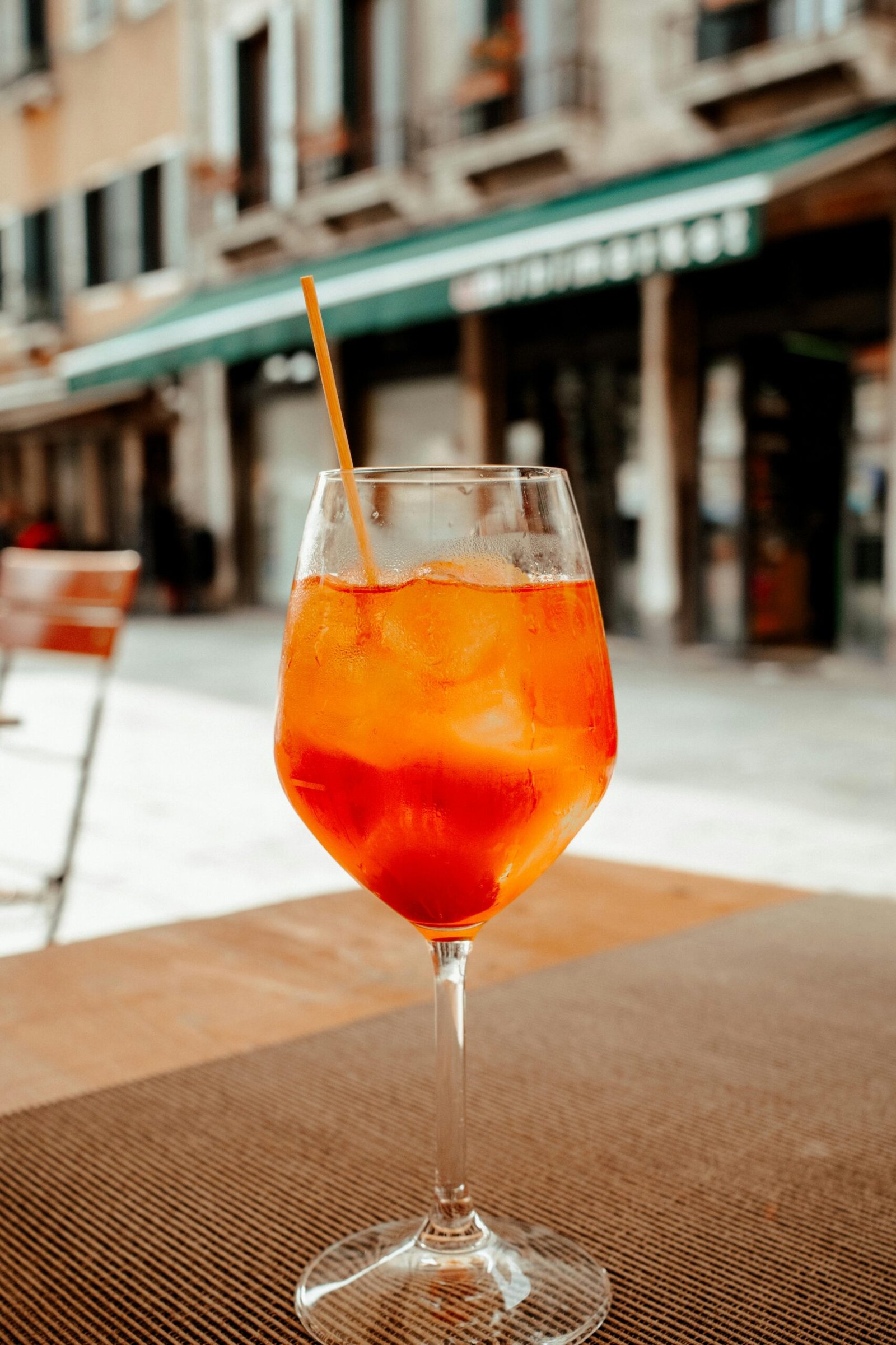
You cannot truly say you have experienced Rome without indulging in the Aperitivo. This tradition, deeply woven into the social fabric of the city, is the Italian answer to the afternoon ritual—a moment where business pauses and the evening begins with style and connection.
From the opulent rooftops of The Hotel de Russie and The Hassler to the historic elegance of the Grand Hotel della Minerva, the Roman aperitivo is a high-art form. It is a ritual of crisp Spritzes, chilled Prosecco, or a classic Negroni, accompanied by artisanal “stuzzichini”—small bites ranging from truffle-infused focaccia to local olives and gourmet supplì.
For a more modern twist, many delegates now head to the Zuma rooftop for a fusion experience with panoramic views or the Chorus Café near the Vatican, which serves avant-garde cocktails in a high-ceilinged, cinematic setting. In 2026, the trend has shifted toward “Health-Conscious Aperitivi,” featuring non-alcoholic botanical spirits and organic snacks sourced from the nearby Roman countryside.
Rome’s Gastronomy: From Trattorias to Michelin Stars
Rome is a global food capital. The days of Italian food being seen as “simple” are long gone; today, the city boasts a sophisticated culinary landscape that includes numerous Michelin-starred rooftop restaurants alongside a street food scene that is deeply rooted in ancient tradition.
The Traditional Roman Trattoria
The trattoria or osteria is the social heart of Rome. Whether it’s a centuries-old cellar in Testaccio or a family-run gem in Trastevere, nothing beats a classic bowl of Carbonara or Amatriciana accompanied by a local Vino dei Castelli Romani. Many historic spots, such as Antica Pesa or Checchino dal 1887, have been frequented by artists, writers, and Hollywood legends for generations.
Mercato di Testaccio: A Foodie’s Paradise
While the city has many markets, the Mercato di Testaccio is the quintessential Roman food destination. It is a sensory explosion of artisanal cheeses, freshly sliced porchetta, organic produce from the Lazio region, and innovative street food like the allesso (simmered beef) sandwich. It is the best place to witness the diversity and deep-rooted heritage of Rome’s culinary landscape.
A Global Sporting Capital
Rome is one of the world’s most significant cities for sports, where ancient athletic tradition meets modern global competition. From the gladiator contests of the antiquity to the high-stakes matches of the 21st century, the city’s sporting culture is a fundamental part of its identity.
Football (Calcio): The Eternal Rivalry
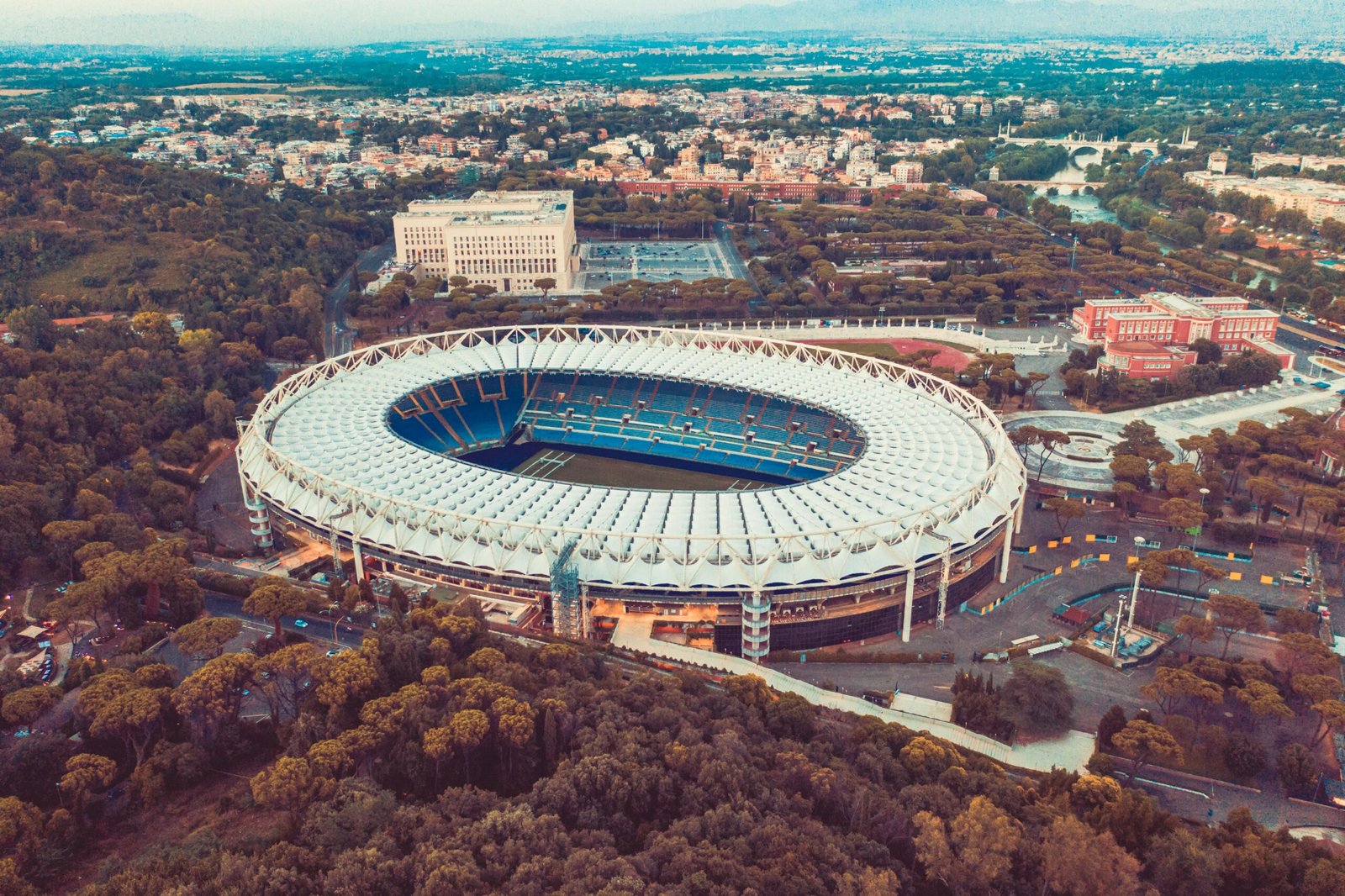
Rome is home to two of Italy’s most iconic professional clubs: AS Roma and SS Lazio. The legendary Stadio Olimpicoserves as their shared battleground. For many delegates, attending a “Derby della Capitale” or a high-level Serie A match is a career highlight. We can secure executive boxes and hospitality packages that offer a premium viewing experience combined with elite networking opportunities.
Tennis: The Red Clay of the Foro Italico
Every May, the world’s eyes turn to the Internazionali BNL d’Italia. Held at the stunning Foro Italico complex—famous for its marble statues and pine-fringed courts—this is one of the most prestigious clay-court tournaments in the world. It provides an unmatched setting for corporate hospitality, where the elegance of the sport meets the beauty of Roman spring.
Golf: The Ryder Cup Legacy
Following the historic 2023 Ryder Cup at Marco Simone Golf & Country Club, Rome has cemented its status as a premier global golf destination. The world-class course remains a major draw for corporate retreats and incentive programs, offering delegates the chance to play on the same fairways as the world’s greatest champions, all within sight of the Eternal City’s skyline.
Parks and Green Spaces: The Lungs of Rome
Despite its reputation as an ancient stone metropolis, Rome is one of the greenest cities in Europe. Its expansive “Villas”—former private estates of the nobility—and protected archaeological parks offer over 4,000 hectares of open space, providing a serene “green lung” for delegates to recharge.
Villa Borghese: The Heart of the City
The most famous of Rome’s parks, this heart-shaped green space is a masterpiece of landscape and art. Home to the world-renowned Galleria Borghese, a picturesque lake with a neoclassical temple, and the stunning Pincio Terrace, it offers the city’s most iconic view over Piazza del Popolo.
- Ideal For: Elegant garden receptions, morning yoga sessions, or high-end cultural tours.
Villa Doria Pamphili: The Largest Estate
Rome’s largest landscaped park is a sprawling oasis of manicured gardens, fountains, and woodlands. Located just behind the Janiculum Hill, it offers a sense of total immersion in nature, far removed from the city’s bustle.
- Ideal For: Large-scale outdoor team-building activities, orienteering, and “Sustainability Walks.”
The Appian Way Regional Park (Parco dell’Appia Antica)
Often described as the “most beautiful road in the world,” this protected archaeological park is a 16-mile stretch of ancient Roman road lined with tombs, ruins, and towering umbrella pines.
- Ideal For: Guided cycling tours, vintage Vespa rallies, and “Open-Air History” workshops.
Giardino degli Aranci (Orange Garden): The Panoramic Retreat
Perched on the Aventine Hill, this small but perfectly formed garden offers one of the most romantic and peaceful spots in Rome. Known for its fragrant orange trees and its perfectly framed view of St. Peter’s Basilica.
- Ideal For: Sunset aperitivos, intimate VIP receptions, and quiet “Reflection Zones.”
Beyond the City: Iconic Day Trips from Rome
While there is enough in the “Eternal City” to fill a lifetime, its central location makes Rome the perfect base for exploring the diverse landscapes and heritage of Central Italy.
Pompeii & The Amalfi Coast: The Ancient and the Picturesque
Just a high-speed train ride south, the UNESCO World Heritage site of Pompeii offers a hauntingly preserved look into Roman life in 79 AD. For an unforgettable corporate incentive, we can combine this with a visit to the Amalfi Coast, where delegates can enjoy a private boat excursion along the dramatic cliffs of Positano and Amalfi.
Florence & Tuscany: The Cradle of the Renaissance
In just 90 minutes via high-speed rail, your group can be in the heart of Florence. We curate “Renaissance Deep-Dives” focusing on the Uffizi Gallery and the Duomo, or alternatively, private wine-tasting retreats in the Chianti countryside, where delegates can experience the world-famous vineyards and olive groves of Tuscany.
Tivoli: Villa d’Este & Hadrian’s Villa
Located just 45 minutes from the city center, Tivoli is a masterpiece of garden design and imperial grandeur. Hadrian’s Villa provides a sprawling archaeological park of an Emperor’s retreat, while the Villa d’Este is world-famous for its concentrated collection of Renaissance fountains and terraced gardens—a spectacular setting for an off-site gala.
Shopping: From Historic Markets to Luxury Ateliers
Rome is a shopper’s dream, offering a unique blend of high-fashion heritage, artisanal craftsmanship, and modern luxury. Whether your delegates are seeking world-renowned brands or one-of-a-kind Roman treasures, the city provides an unmatched retail experience.
Via dei Condotti & Via del Babuino: The Pinnacle of Luxury
This is Rome’s answer to Bond Street. Located at the foot of the Spanish Steps, Via dei Condotti is home to the flagship stores of Italy’s greatest fashion houses—Valentino, Bulgari, Fendi, and Prada. It is the heart of Roman “Alta Moda,” offering an opulent atmosphere for those seeking the very best in luxury goods.
Via del Corso & Via Cola di Rienzo: The High-Street Hubs
For a diverse shopping experience, Via del Corso stretches through the center of the city, featuring over 1.5 kilometers of international brands and department stores. Across the river in Prati, Via Cola di Rienzo offers a more local, sophisticated shopping vibe, favored by Romans for its elegant boutiques and high-end food emporiums.
La Rinascente (Via del Tritone): The Modern Flagship
This stunning department store is a destination in itself. Not only does it house seven floors of luxury fashion and beauty, but it also features a uniquely Roman surprise: an ancient Roman aqueduct visible in the basement and a panoramic rooftop food hall.
- Pro Tip: We can arrange “Private Shopping Suites” and tax-free assistance for your VIP delegates here.
Campo de’ Fiori & Via del Governo Vecchio: Artisanal & Vintage
For those looking for something unique, the morning market at Campo de’ Fiori is a riot of colors, offering local spices, oils, and Roman specialties. Nearby, Via del Governo Vecchio is famous for its independent boutiques, vintage leather goods, and artisanal jewelry workshops—perfect for finding authentic “Made in Italy” gifts.
Practical Information for Your Rome Journey
Planning a seamless corporate event in the Eternal City requires a grasp of its unique rhythm and infrastructure. As your local partner, we ensure your delegates navigate Rome with the ease of a local.
Getting Around: The Roman Transport System
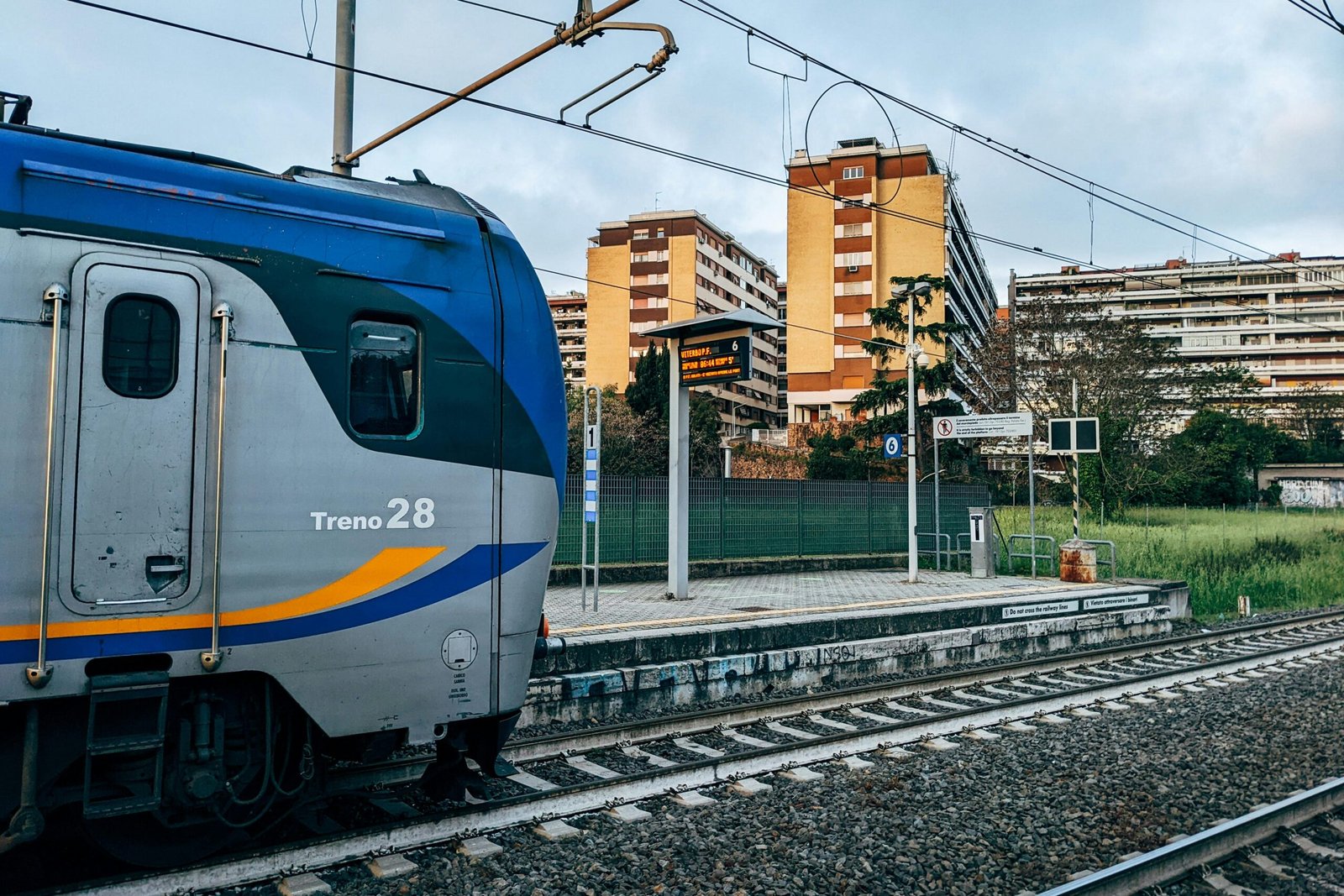
While much of the historic center is best explored on foot, Rome’s public transport network is the most efficient way to cover longer distances between the business districts and the Centro Storico.
- The Metro (Lines A, B, and C): Line A (Orange) connects the main shopping and tourist hubs, while Line B (Blue) is essential for reaching the Colosseum and the EUR business district.
- The “Tap & Go” System: Forget paper tickets. All Metro gates and most buses now support contactless payment(phone or card). It is the fastest way to travel and automatically calculates the most cost-effective fare for your journey.
- A Local Tip: Rome’s cobblestone streets (sampietrini) are beautiful but challenging. We always advise delegates to wear comfortable business-casual footwear and to utilize the city’s extensive electric taxi fleet for door-to-door service within the ZTL zones.
Weather and When to Visit
Rome is a city of light and color that transforms with the seasons. Choosing the right window is key for balancing outdoor events with indoor sessions.
Winter (November–February): December brings a magical atmosphere with the giant tree at the Spanish Steps and festive lights throughout the luxury shopping districts. It is a prime time for cozy, high-level executive retreats in boutique hotels.
Spring (March–May): A favorite for corporate incentives. The city is in bloom, and the weather is perfect for “Aperitivo” networking on rooftop terraces.
Summer (June–August): Characterized by long, sunny days and vibrant outdoor festivals. While warm, it is the best time for gala dinners in the cool courtyards of historic palazzos.
Autumn (September–October): Often considered the “Golden Season” for MICE events. The light is spectacular, and the temperature is ideal for walking tours and archaeological site visits.
The Secret Side of Rome: Hidden Gems
While every visitor knows the Colosseum, the true charm of Rome lies in its well-kept secrets. As your local DMC partner, we specialize in “unlocking” these hidden spaces to provide your delegates with an experience that feels exclusive and unexpected.
Galleria Sciarra: The Art Nouveau Masterpiece
Tucked away just steps from the crowded Trevi Fountain is a stunning courtyard that most tourists walk right past. Galleria Sciarra is a late 19th-century pedestrian passage covered in intricate Art Nouveau frescoes celebrating the “virtues of women.”
- Corporate Value: It is a breathtaking backdrop for a surprise “pop-up” coffee break or a high-end fashion photography session for brand launches.
The Aventine Keyhole: A Secret Perspective
On the quiet Aventine Hill, within the Piazza dei Cavalieri di Malta, lies a nondescript green door. When you look through its keyhole, you see a perfectly framed, hedge-lined view of the St. Peter’s Basilica dome.
- Corporate Value: We include this in our “Scavenger Hunt” team-building programs, challenging delegates to find the most unique perspective of the city.
Orto Botanico (The Botanical Garden): A Hidden Oasis
Located in the heart of Trastevere, this hidden 12-hectare garden is one of Rome’s best-kept secrets. It features a Japanese garden, monumental bamboo groves, and a “Scent Garden” for the visually impaired.
- Corporate Value: It offers a tranquil, “secret garden” setting for outdoor workshops or wellness-focused morning retreats, providing total silence just minutes from the city’s buzz.
The Quartiere Coppedè: A Surrealist Escape
For those looking for something entirely different, the Coppedè district is a fantastical neighborhood of fairy-tale palaces, blending Baroque, Medieval, and Art Nouveau styles. Its centerpiece, the Fountain of the Frogs, is where the Beatles once famously jumped in after a concert.
- Corporate Value: This is the perfect location for creative agencies or tech firms seeking a setting that represents “thinking outside the box” and architectural innovation.
Conclusion: Why Rome Continues to Enthrall
Rome is a city that never stands still. Its unique ability to reinvent itself while honoring its nearly three millennia of historical roots is why it remains the ultimate destination for the world’s most prestigious gatherings. Whether you are coming for the ancient history, the innovative design, the world-class gastronomy, or the vibrant Mediterranean lifestyle, Rome doesn’t just welcome you; it invites you to become a part of its eternal story.
For corporate organizers, Rome offers more than just a venue; it offers a legacy. By hosting your event in the “Caput Mundi,” you are aligning your brand with a heritage of leadership and influence that has shaped the modern world.
Frequently Asked Questions About Rome
Is Rome a safe city for tourists?
Yes, Rome is generally very safe for international delegates and tourists. Like any major global capital, it is important to be mindful of your surroundings, particularly in high-traffic areas like the Termini Station or around the Colosseum where pickpocketing can occur. However, the city is well-policed, and the violent crime rate is very low. As your DMC, we provide 24/7 support and security briefings to ensure your group feels secure at all times.
How many days do I need to see Rome?
While the “Greatest Hits” can be seen in 3 days, we recommend a 5-to-7-day itinerary for corporate groups. This allows for a productive balance of meeting sessions, immersive neighborhood tours (like Trastevere or Monti), and a full-day excursion to the Amalfi Coast or a Tuscan vineyard without feeling rushed.
What is the currency in Rome?
Rome utilizes the Euro (€/EUR) as its official currency. The city features a sophisticated financial infrastructure where digital and contactless payments are integrated into the daily commerce of the capital.
In accordance with national regulations, almost all commercial establishments—including restaurants, high-end boutiques, and official taxi services—are equipped with electronic payment terminals. For international delegates, contactless mobile payments and major credit cards are widely accepted and often the most efficient method for managing transactions.
While Rome is highly digitally enabled, we recommend that delegates maintain a small amount of cash for specialty artisanal markets or minor incidental purchases in smaller historic districts. This ensures a seamless experience across all levels of Roman hospitality.
This is why Rome is frequently chosen for international meetings, events, and professional programs.
Ready to visit Rome?
Get in touch with our team today and get a free consultation about your upcoming trip!